How to Choose a Video Editor for Your YouTube Channel
Portfolio, test edit, turnaround, revisions and price: what to check before you hand over your footage, and the red flags to walk away from.
Handing your videos to an editor is one of the biggest upgrades a channel can make. You get your evenings back, you publish on schedule, and a good editor makes every video better than you would on your own. Pick the wrong one, though, and you’ll spend more time fixing their work than you saved.
Here’s how to choose well, whether you’re a creator hiring for the first time or a business adding video to its marketing.
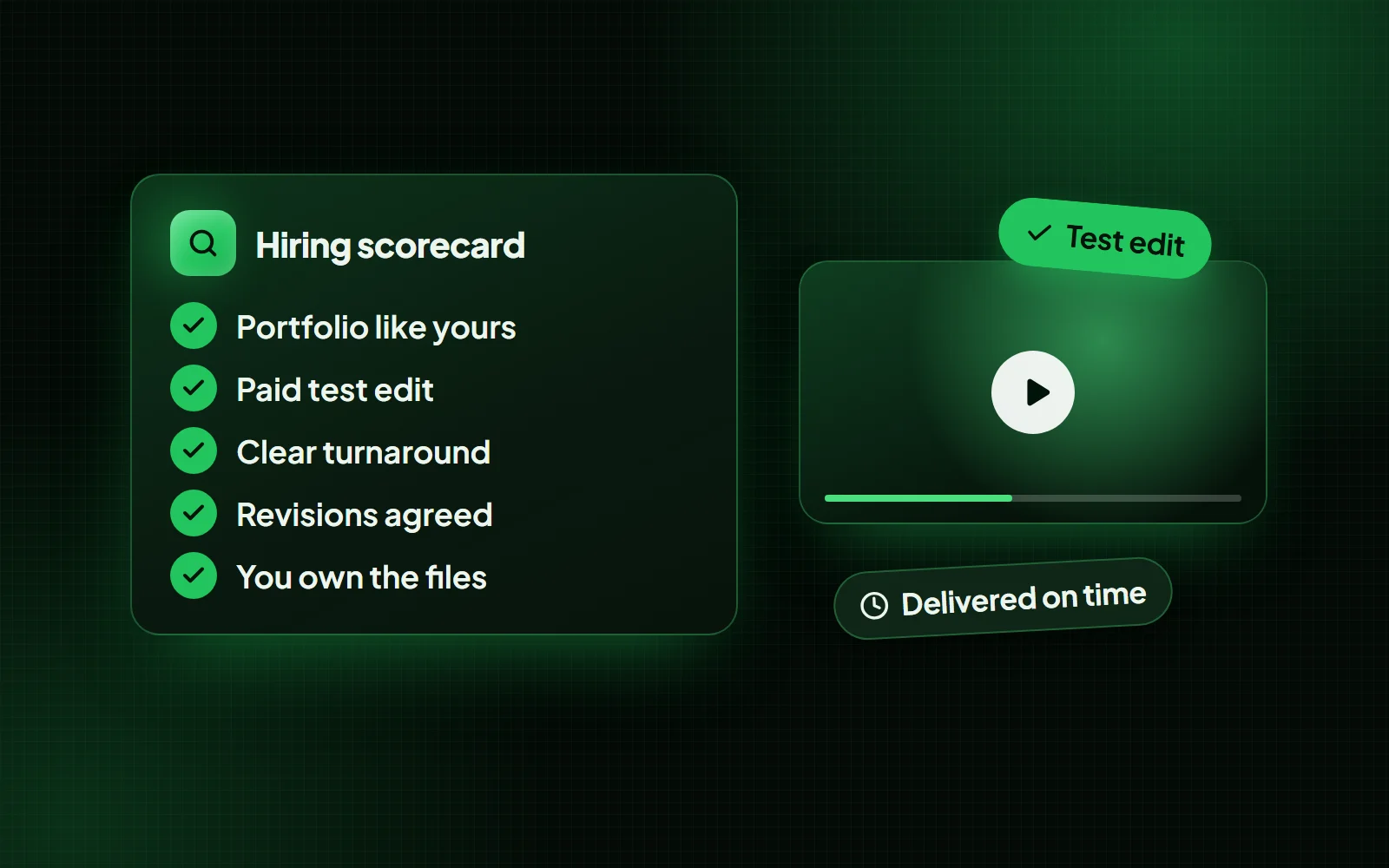
1. Look for work like yours, not just good work
A beautiful showreel tells you someone can edit. It doesn’t tell you they can edit your videos. A cinematic travel editor and a fast-paced talking-head editor use very different skills.
When you look at a portfolio, ask:
- Have they edited videos in my format: long-form YouTube, Shorts, ads or podcasts?
- Do their videos hold attention in the first few seconds?
- Do the captions, sound and pacing feel like something I’d be proud to publish?
If their best work looks nothing like what you make, keep looking.
2. Ask how they think about retention
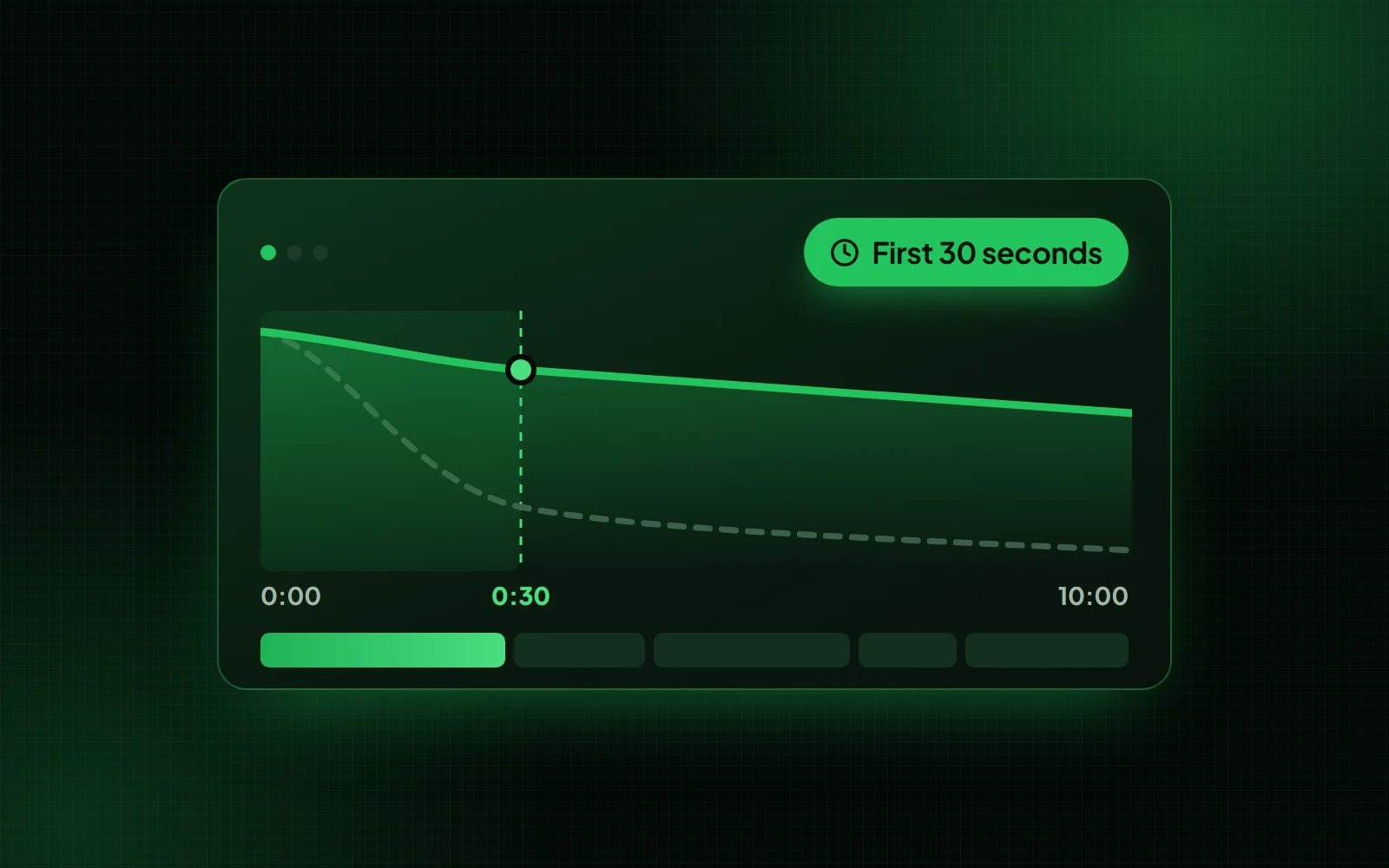
On YouTube, the edit decides whether people keep watching. A good editor should be able to explain how they approach the first 30 seconds, when they cut pauses, and how they keep a long video moving. If the only answer is “I make it look nice”, that’s a warning sign.
You don’t need to be technical to ask this. “How would you edit the start of this video?” tells you a lot.
3. Start with a paid test edit
The most reliable way to judge an editor is to see them work on your own footage. Send one video, with the same notes you’d give for any other, and see what comes back.
Pay attention to more than the final cut:
- Did they deliver when they said they would?
- Did they follow your notes, or ask good questions when something was unclear?
- How many changes did you need to ask for?
A paid test respects their time and gives you a fair comparison between editors.
4. Agree on turnaround and revisions up front
Consistency is what grows a channel, so your editor’s schedule has to match your publishing schedule. Before you start, agree on:
- Turnaround: how many days from footage to first draft
- Revisions: how many rounds are included, and how quickly they come back
- Communication: where you leave feedback, and how fast they usually reply
Clear expectations prevent most of the frustration people have with editors.
5. Understand how the pricing works
Editors usually charge in one of three ways:
- Per video: simple when you publish occasionally or your videos vary a lot
- Monthly package: a set number of videos each month, usually better value if you publish on a schedule
- Per hour: flexible, but harder to budget for
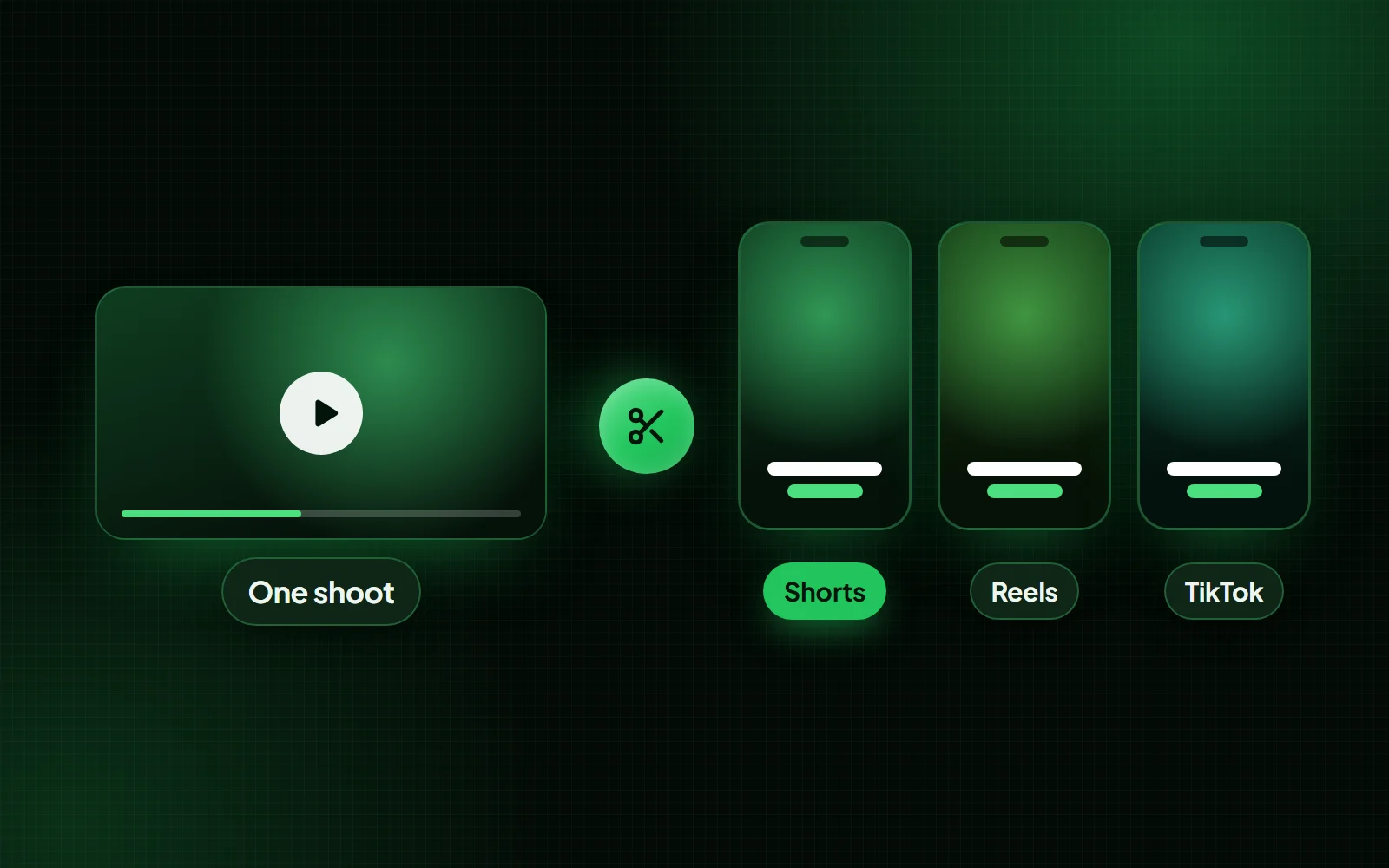
The cheapest option rarely stays the cheapest. An edit that needs three rounds of fixes, or holds viewers for half as long, costs you more in time and views than you saved. Compare what’s included (captions, thumbnails, music, cut-downs for Shorts) rather than just the price.
6. Check who owns the files
Make sure you receive the final exports in full quality, and agree whether you’ll also get the project files. Confirm that any music, stock footage or fonts they use are properly licensed for your channel, especially if you monetise or run ads.
Red flags to walk away from
- No portfolio, or only other people’s showreels
- Vague deadlines like “soon” or “when it’s ready”
- No clear number of revisions
- Asking for full payment for months of work up front
- Using music or footage they can’t show a licence for
The short version
Choose an editor whose past work looks like the videos you want to make, test them on your own footage, and agree on turnaround, revisions and price before you start. Get those right and editing stops being the thing that holds your channel back.
Looking for an editor now? See our work, then book a free 15-minute call and we’ll suggest how we’d edit your next video.